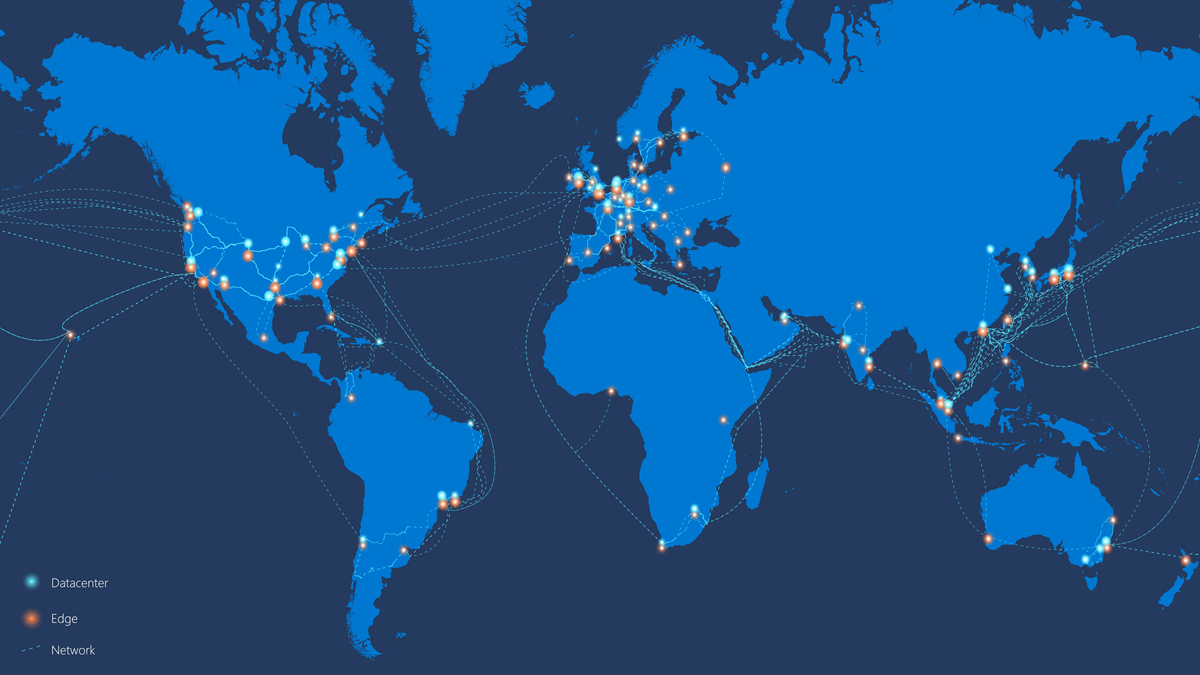
“The Azure Global Infrastructure Map is more than a visualization — it’s a planning compass for every cloud professional, helping you deploy smarter, stay compliant, and scale globally with confidence.”
🌐 Explore the Azure Global Infrastructure Map: A Guide for Every Cloud Professional
Whether you’re just starting your journey with Microsoft Azure or you’re a seasoned cloud architect planning a global rollout, the Azure Data Center Map is an indispensable tool.
It provides the data, visual context, and planning insight needed to make informed decisions about geography, compliance, performance, and resilience — helping you deploy smarter, scale globally, and operate with confidence.
🔭 Explore the Azure Global Infrastructure
🗺️ What You’ll Find on the Map
The Azure Global Infrastructure experience lets you explore:
- Locations of Azure regions and data centers worldwide.
- Filters for availability zones, services, disaster recovery, data residency, and compliance certifications.
- Regional insights including opening dates and the specific services supported (e.g., compute, storage, AI, DR).
Visit the Microsoft Datacenters site →
✅ Purpose & Benefits
1. Transparency & Planning
Understand where to deploy workloads. The map reveals region availability and service scope, essential for latency planning, compliance, and disaster-recovery design.
2. Latency & Performance Optimisation
Select the closest region to your users for reduced latency and an improved experience — especially vital for AVD, web apps, and streaming workloads.
3. Compliance & Data Residency
Identify regions that meet industry or regional regulations (GDPR, HIPAA, financial compliance, etc.) and verify their certifications before deploying sensitive data.
4. Disaster Recovery & Geo-Redundancy
Plan secondary or paired regions for failover and resilience. This is key for high-availability and business-continuity strategies.
5. Service Coverage Check
Not all Azure regions offer every service. The map helps you verify which services (e.g., AI, HPC, or advanced networking) are available in each location.
🎯 Why It’s Important for New Users
If you’re new to Azure, the map provides:
- Visual Learning — A global view of Azure’s infrastructure to grasp its scale and reach.
- Confidence in Deployments — Verify your chosen region supports the services you plan to use.
- Smarter Budget & Strategy Planning — Select regions that balance cost, performance, and compliance.
- Risk Avoidance — Check availability zones and DR options before go-live to prevent downtime.
🚀 Why It Matters for Organisations Expanding
For established businesses scaling globally:
- Global Growth Strategy – Identify Azure regions near your target markets to ensure low latency and local compliance.
- Multi-Region Resilience – Use the map to find paired or zone-redundant regions for DR planning.
- Service Expansion – Confirm whether new services (AVD, AI, Data Factory) are available in your target region or track upcoming availability.
- Cost & Performance Optimisation – Choose where to host primary and secondary workloads to balance costs and performance.
🔍 How to Use It — Quick Tips
- Switch Views: Toggle between 2D and 3D for a better geographic perspective.
- Filter Smartly: Narrow results by location, year opened, availability zones, data residency, or products.
- Click for Details: Each pin reveals region-specific insights — services, compliance, and availability zones.
- Integrate with Planning: Use the map when designing Azure architectures, disaster-recovery strategies, or service-expansion plans.
💡 In Summary
The Azure Data Center Map isn’t just a visualization — it’s a strategic planning tool. Whether you’re designing a new environment or expanding globally, it ensures you make data-driven, confident decisions about where and how to deploy in Azure.
👉 Explore it here: Microsoft Datacenters – Explore the Globe
“Whether you’re new to Azure or leading a global rollout, the Data Center Map gives you the visibility and confidence to design a resilient, high-performing cloud environment — anywhere in the world.”Click Here To Return To Blog